
Sealed aluminium meter boxes along a brushed-steel wall in an apartment building corridor, one amber dial lit mid-row.

Tariff sectors, in plain terms

Which tariff sector is your property in?

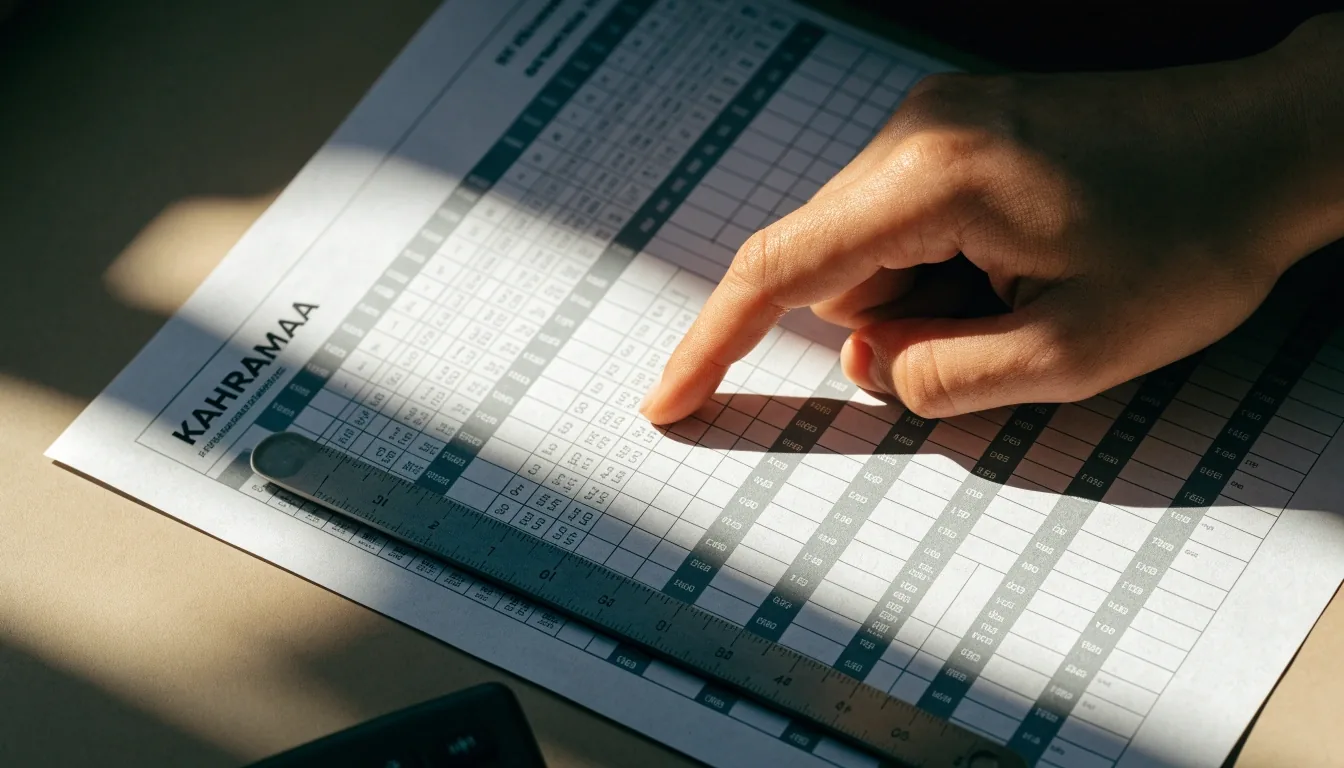
A residential flat, a commercial user, and a bulk hotel are not billed the same way. This page sets out the tariff sectors KAHRAMAA uses, how consumption bands in Qatari riyals shape the total, and where to confirm your sector before you compare bills.

Two sealed aluminium meter faces side by side in a corridor, brushed-steel grain under flat overhead light.

Sector type

Sector type decides the maths

The sector type printed or shown with your account tells the billing system which tariff table to use. Residential, commercial, and bulk hotel classifications each reflect different use patterns — a home that cools at night, a shop that runs through the trading day, a hotel running central plant around the clock.

That is why sector-specific pricing exists instead of one universal rate. Always confirm sector first when a bill looks higher than expected — before you question the reading, the meter, or the amount.

Confirm sector before comparing amounts

Consumption bands

Consumption bands and Qatari riyals

Consumption bands divide usage into blocks, with each block billed per the official tariff table. Low-use months stay within lower blocks; high cooling months push further into higher blocks. The bill combines electricity and water where both apply.

Comparing kilowatt-hour totals month to month is more useful than comparing only the final amount — the total moves with weather, occupancy and season, while the kWh figure tells you what actually changed.

What the band is

A block of consumption within the tariff table, charged at the rate that applies to that block rather than one flat rate across the whole month.

What moves you up

Sustained cooling load, extra appliances, long water-heating cycles, or higher occupancy over the whole billing period — not a single heavy day.

What to compare

Kilowatt-hour totals against the same month last year, and against the month before. The riyal amount alone cannot tell you whether you or the season changed.

What the table is in

The official tariff page is expressed in Qatari riyals and tied to sector. Check the sector line before you read the rate.

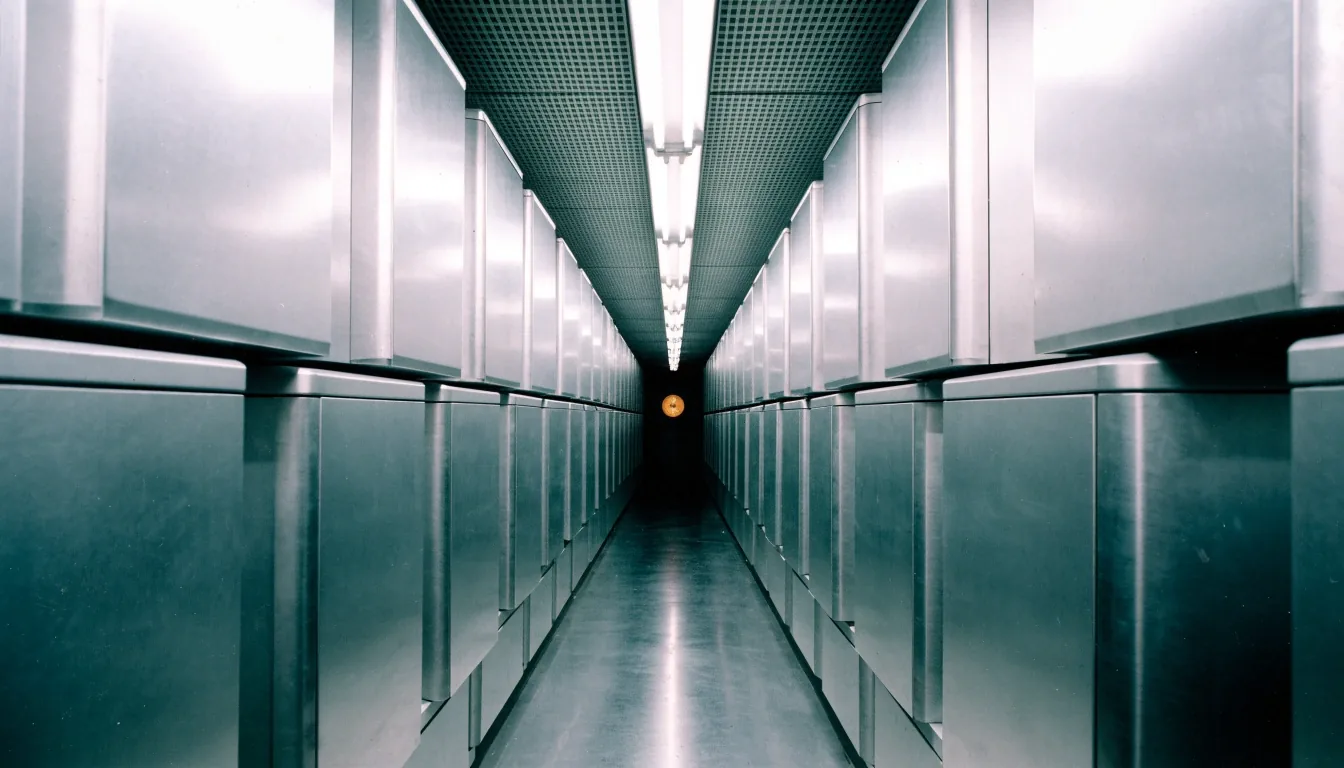
A corridor of sealed aluminium meter boxes receding toward the far end, fluorescent tubes above, one lit dial mid-row.

Read the row, not the total

Every panel on this wall bills differently

The corridor holds a residential flat, a small shop, and a hotel block on the same wall — and each one answers to its own tariff table. When a figure surprises you, the sector line is the first place to look.

The three named sectors

Residential, commercial and bulk hotel

These are the tariff sectors a Qatar property will usually fall into. Read the one that matches your account, then check the sector line on your own bill against it.

Residential

Residential flats in plain terms

A residential flat usually means an apartment billed under the residential class. Cooling, lighting and appliances drive most of the consumption. Shared building services — corridor lighting, lifts, pumps — are normally handled separately from your individual electricity number.

If you moved

Moving from a villa to a flat changes your consumption profile even with similar habits — less exterior load, more shared cooling. Expect the first two bills after a move to be the ones worth reading closely.

Sector or numbers look off?
Commercial

How commercial billing differs

Commercial is one of the named KAHRAMAA tariff sectors, listed in the official live tariff table. It covers shops, offices and other business premises as a separate billing class. The tariff table is expressed in Qatari riyals and tied to consumption bands, so heavier use moves through bands differently from a home account.

What shops should track

Track monthly consumption, not only the riyal total. Staggering equipment start times and keeping closing routines steady changes which consumption band the month lands in — the tariff itself does not change.

Bulk hotel

Bulk hotels as their own class

Bulk hotel is a specific KAHRAMAA billing sector that Hukoomi lists separately. It reflects large hospitality properties with central systems and a high, continuous load — cooling towers, kitchens, laundry, pools. The category shows that utility charges are classified for large properties rather than folded into residential or commercial rates.

Staff housing

Staff housing linked to a hotel may still carry its own residential accounts. Keep those electricity numbers separate from the property's bulk hotel account so neither bill confuses the other.

Before you act

Check your sector before you act

You can confirm sector type in the bill view, alongside the reference number, the electricity number and the amount. Read the sector line the same way you read the amount — deliberately, before you pay.

If the sector looks wrong after a move or a tenancy change, raise it through official customer service with your documents. Do not pay a full disputed cycle without checking. A short pause to verify can prevent the same error repeating next month.

Contact the guide desk

Desk hours
Sunday to Thursday, 8:00 AM – 5:00 PM. Building 18, Al Kinana Street, Zone 37, Al Sadd, Doha.
Open the contact page
A single sealed aluminium meter face up close, a fine graphite rule and a small amber tab at the corner.

Habits, not rate changes

Practical ways to keep use steady

These habits do not change the tariff. They change which consumption band you land in — which is the part you can actually influence month to month.

Cooling

Adjust cooling set points by one or two degrees and clean filters on schedule — sustained cooling load is usually the largest single band driver in a Qatar flat.

Water heating

Switch water heating off when a flat or shop is empty for long stretches; a slow continuous draw across a month is what pushes usage upward.

Load timing

Small shops can stagger equipment start times and keep closing routines consistent, so the daily peak sits lower and the monthly pattern stays flat.

Read your own pattern

Review two or three past bills and compare kilowatt-hour totals. The pattern across months tells you more than any single bill amount.

What readers ask

Tariff questions, answered

If you still cannot place your own bill in a sector, take the reference number and the electricity number with you when you ask.

Get bill troubleshooting help

How do KAHRAMAA tariffs differ for flats, villas, and commercial properties?

They fall into different named sectors with separate tariff treatment, and the commercial and bulk hotel classes are listed apart from residential. Check your sector type before comparing amounts — a flat and a villa may share the residential class but still use very differently across the same month.

Is there one flat rate for everyone?

No. The official tariff page uses sector-specific tables in Qatari riyals tied to consumption bands, not a single universal rate. That is why the same monthly consumption can carry a different total under a residential account and a commercial one.

Where do I confirm my sector and my numbers?

Sector type appears in the bill view alongside the reference number, electricity number and amount. If it looks wrong after a move or a tenancy change, raise it with your documents through official customer service before paying a full disputed cycle.

Does lowering use change my tariff?

It does not change the tariff. It changes which consumption band the month lands in — and that is the part a tenant or a small shop can actually influence without any change to the account.

Next step

Tariffs make sense — go check the outstanding amount

Open Pay Your Bill Online to see the outstanding amount and due date, or go to FAQs and Troubleshooting if the sector, the numbers, or the amount still look off. Keep your electricity number handy — it speeds up every next step.